

From first submission touch to bind queue routing. Perilarc handles the data assembly work so your underwriters handle the risk judgment work.
Each component works independently; together they create a submission workflow where underwriters spend their time on risk judgment, not data retrieval.

Complete commercial risk profile assembled from 40+ data sources in under 90 seconds per submission
Perilarc connects to property records databases, Secretary of State filing systems, commercial credit data providers, loss history aggregators, geospatial peril data feeds, and business intelligence services to assemble a complete, carrier-formatted risk dossier before an underwriter opens the file. Every field includes source attribution and a data confidence indicator. The dossier format is configurable per class of business and per carrier, so you receive exactly the data points your appetite rules require.
Flood, wind, wildfire, earthquake, and crime risk scores layered from authoritative geospatial sources per commercial address
Every commercial address in a submission receives a peril exposure profile covering all hazard types relevant to your lines. Perilarc sources flood data from FEMA flood zone designations and the National Flood Insurance Program, wind from NOAA Atlantic hurricane track data and ASCE 7 wind speed maps, wildfire from satellite-derived vegetation moisture data and USFS fire history, seismic from USGS hazard models, and crime from aggregated law enforcement incident data. Scores are normalized to a carrier-configured scale and flagged against your territorial underwriting tolerances.

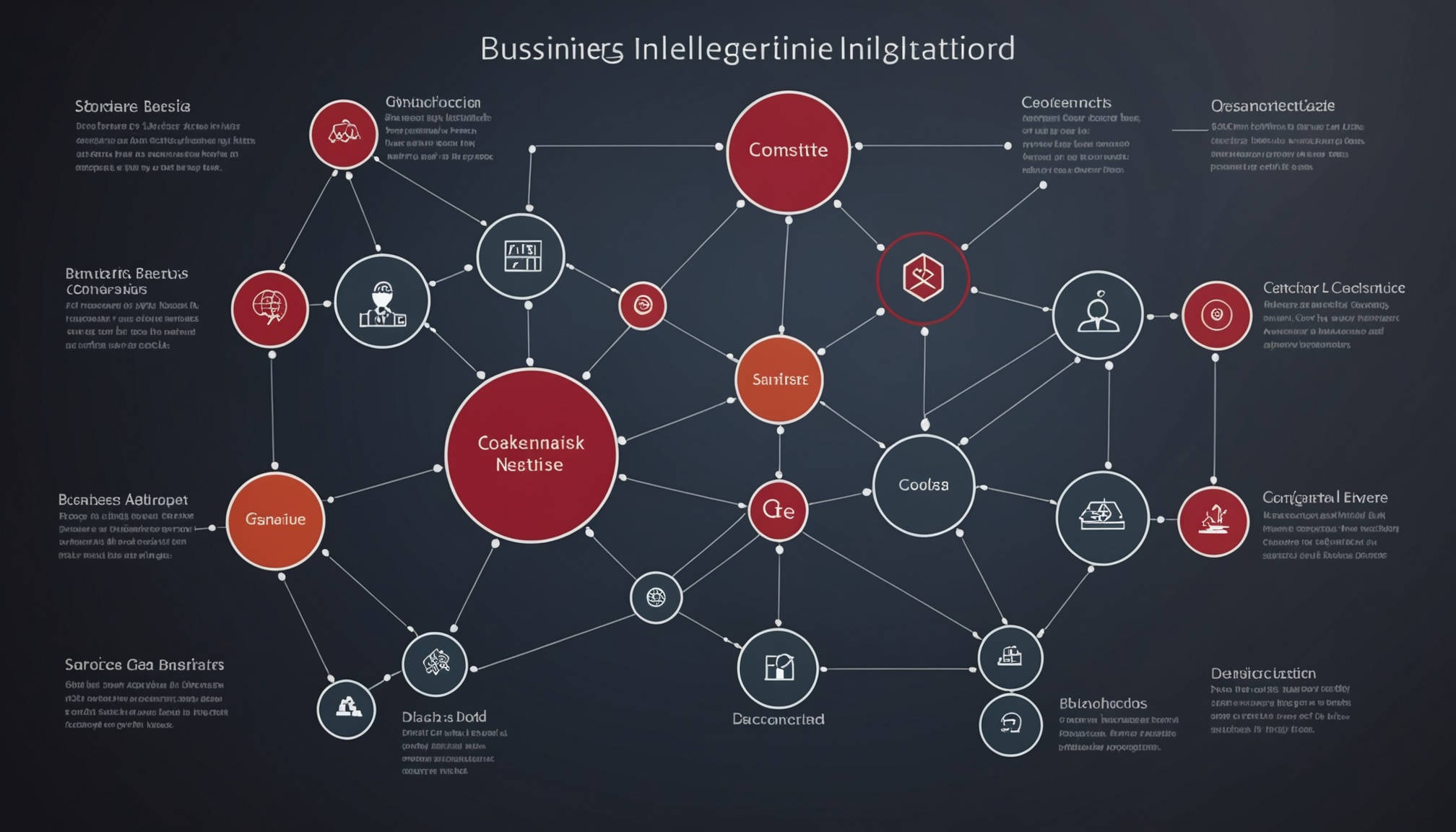
Automated business verification, ownership structure, financial health signals, and operating history per insured
Perilarc pulls Secretary of State active registration status, corporate officer and ownership records, UCC filing history, NAICS code verification, D&B financial health signals, bankruptcy and court record checks, and historical business address verification for every submission. Application data is cross-checked against enrichment data, and any discrepancy — a reported annual revenue that does not match financial signals, a NAICS code that does not match actual operations, a principal listed who does not appear in corporate records — is flagged as a review item with supporting evidence.
Underwriting rules and risk appetite thresholds configured per carrier, updated without engineering work
The scoring layer translates assembled dossier data into an initial coverage recommendation and rate indication using rules and thresholds you define. Appetite inclusions and exclusions, class acceptability criteria, peril exposure tolerances, financial health floors, and rate tier boundaries are all configured through a guided interface. Rule changes take effect within 24 hours without any software deployment. All rule versions are preserved so that any historical submission can be re-scored under the rules that applied at time of receipt.
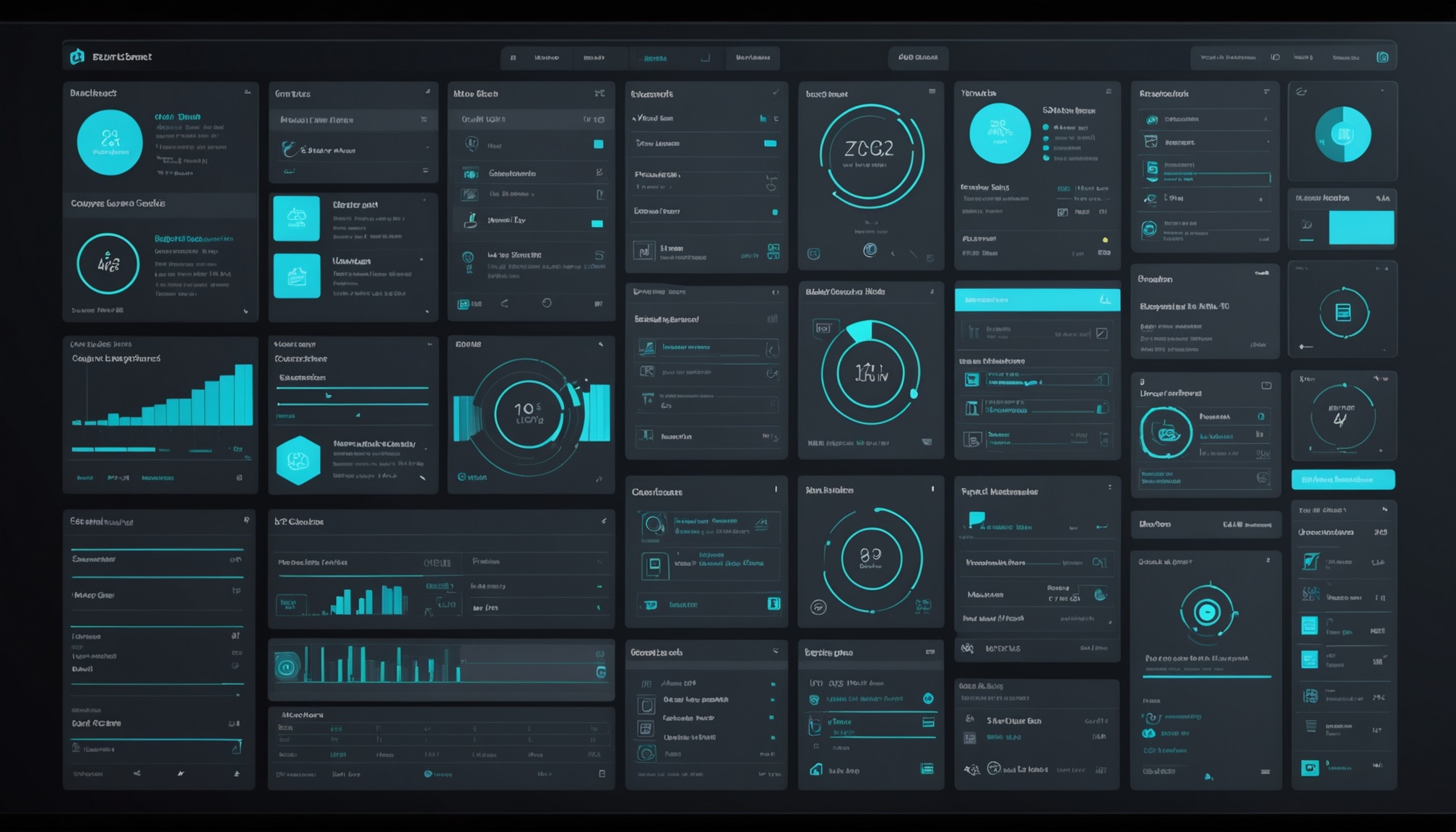
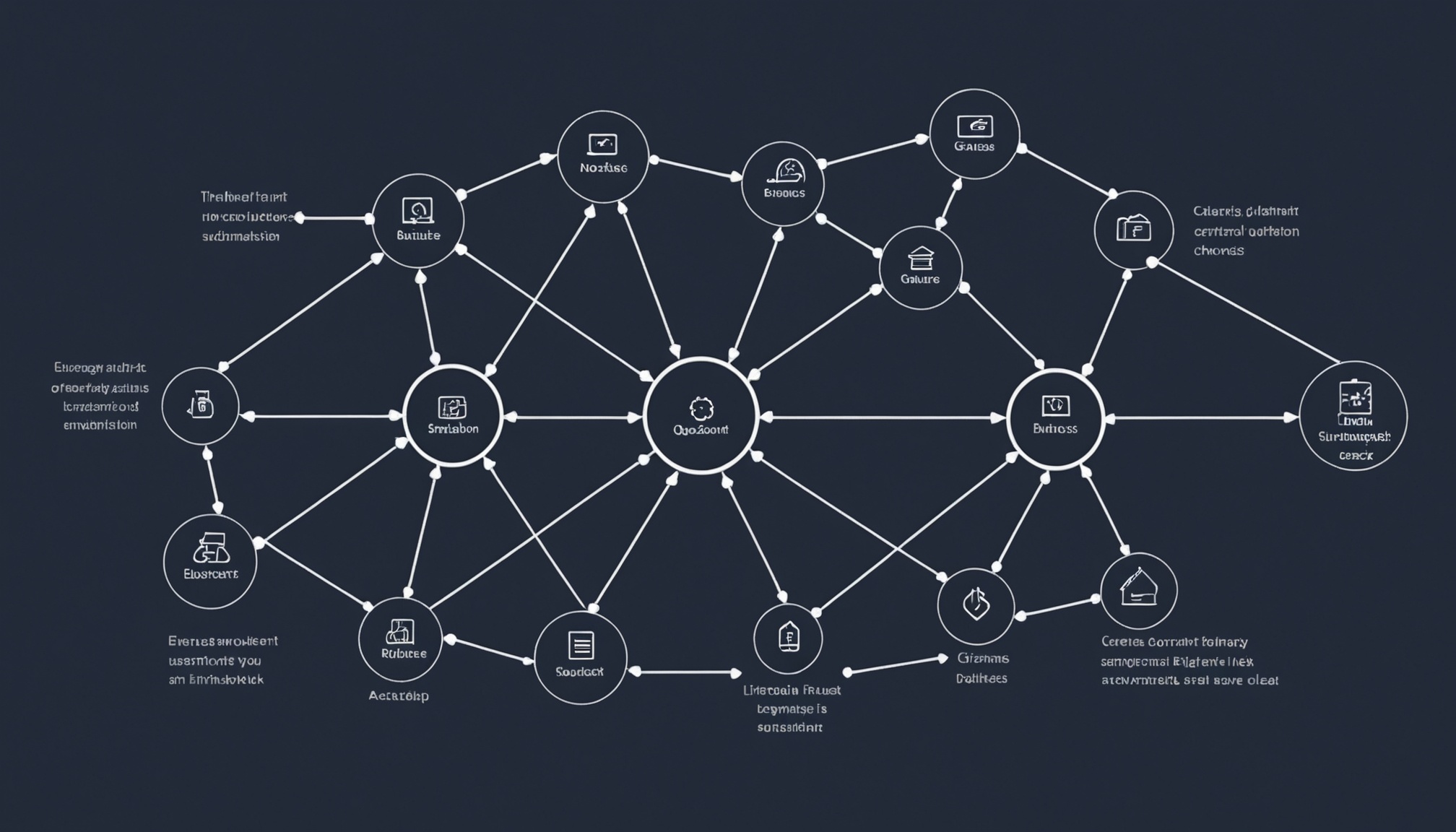
Automatically route clean, appetite-aligned submissions to bind queue; flag complex risks for underwriter review
Submissions that clear your configured STP threshold — appetite match confirmed, all peril scores within tolerance, business intelligence clean, no application discrepancies, scoring model confidence above threshold — route directly to your bind queue with a pre-populated quote package in your policy management system. Submissions with any flag route to the underwriter review queue with the complete dossier already assembled. Your STP rules and confidence thresholds are configurable by class, territory, and account size, and can be adjusted in real time as you observe the quality of STP decisions.
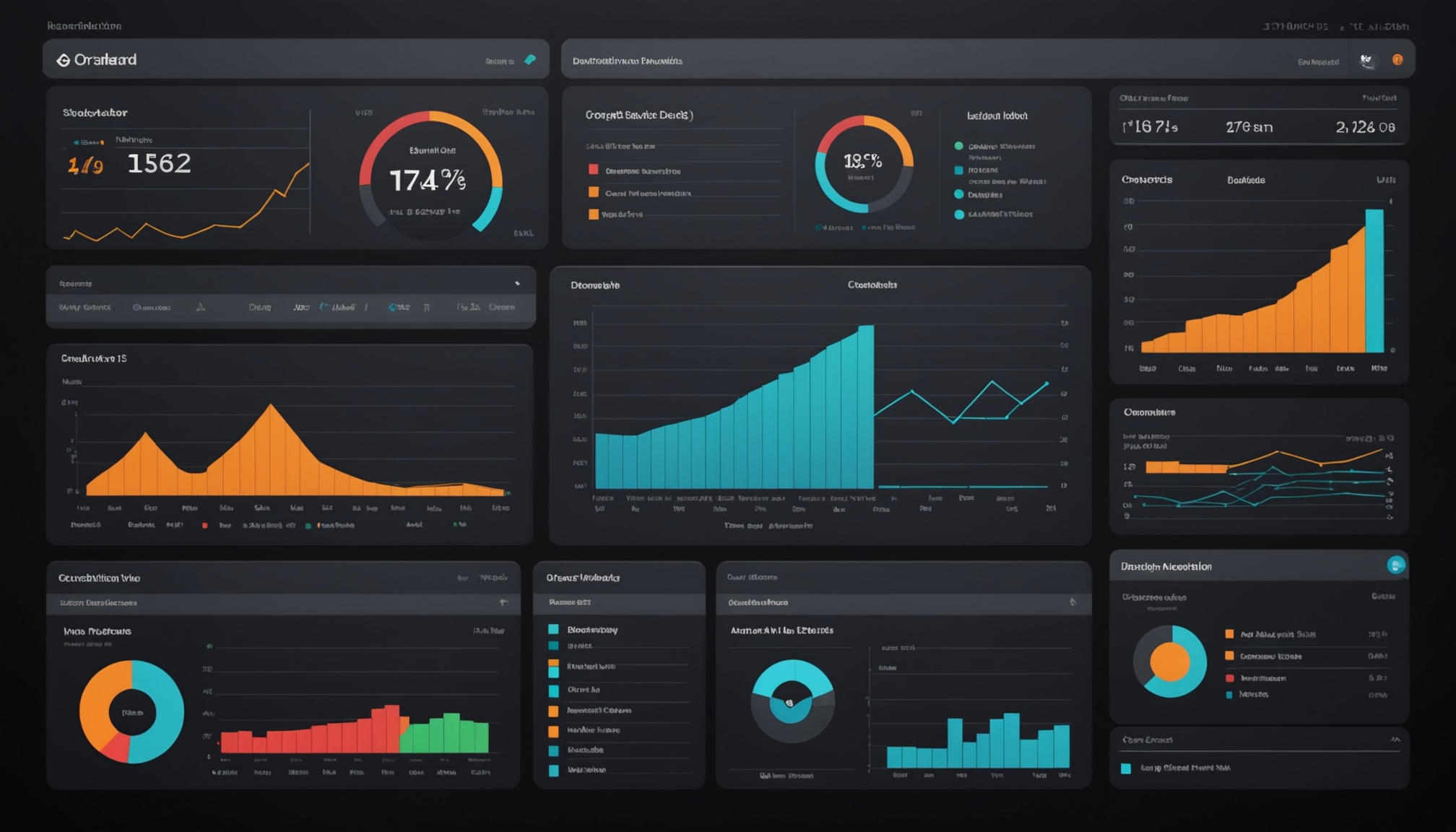
Real-time submission funnel metrics, appetite hit rates, and underwriter productivity dashboards
Perilarc’s analytics layer gives underwriting management the visibility they need to manage the pipeline, refine appetite, and optimize staffing. Submission volume by class, geography, broker, and entry channel. Appetite hit rates and the specific criteria driving the most declinations. STP rate trends by class and underwriter. Time-to-decision distributions and override frequency. Broker performance tracking. All data is current to the last submission cycle and exportable to your data warehouse or reporting tools via API.
Perilarc connects to your existing policy management infrastructure. No rip-and-replace required.
Submit via API integration with your existing policy management system — Applied Epic, Guidewire PolicyCenter, Duck Creek Policy, Majesco, or Vertafore AMS360. Perilarc connects to your submission intake workflow as a processing step, not a replacement system.
Perilarc’s intelligence engine automatically compiles a structured risk dossier: peril exposure scores, business registry data, financial health signals, satellite property imagery, loss history, and carrier-formatted summary. All within 90 seconds of submission receipt.
Carrier-configurable ML model applies your appetite rules and produces an initial coverage recommendation and rate indication within 90 seconds. Confidence scores indicate how cleanly the submission fits your defined appetite parameters.
Clean risks route to your straight-through bind queue. Complex risks arrive in the underwriter review queue with all data pre-assembled — judgment work only. Every decision is traceable back through data sources, scoring rules, and confidence thresholds.
Integrates with your existing policy management stack
We’ll run a submission from your actual lines through the dossier assembly and scoring pipeline so you can evaluate output quality against your appetite requirements.